

The Most Comprehensive Continuous Glucose Monitor Resource: 14 Devices Reviewed
14 CGM devices. 5 subscription services. 12 head-to-head comparisons. GlucoseIntel provides data-driven reviews, real specifications, and transparent cost analysis for every continuous glucose monitor available in 2026.
The CGM Market in 2026: 14 Devices, 5 Services, 3 Categories
The continuous glucose monitor (CGM) market — the industry of wearable biosensors that measure interstitial glucose every 1 to 5 minutes — has grown to $13.28 billion globally in 2026, expanding at 15.2% annually (Grand View Research, 2025). In the United States alone, an estimated 37.3 million people have diabetes and another 96 million have prediabetes (CDC National Diabetes Statistics Report, 2024), creating a combined addressable population of 133 million Americans who benefit from continuous glucose monitoring. The U.S. CGM market accounts for approximately $5.8 billion of that global total, growing faster than any other diabetes technology segment.
This site covers 14 CGM devices from 4 manufacturers (Dexcom, Abbott, Medtronic, Senseonics), 5 subscription services (Nutrisense, Levels, Signos, Veri, January AI), and 3 device categories (prescription, over-the-counter, implantable). Every product is evaluated using the same methodology: MARD accuracy percentage, sensor wear time in days, monthly cost with and without insurance, Medicare eligibility, alert capabilities, and insulin pump compatibility. MARD (Mean Absolute Relative Difference) is the gold-standard accuracy metric — it measures the average percentage error between a CGM reading and a simultaneous laboratory blood glucose value. A lower MARD indicates a more accurate sensor.
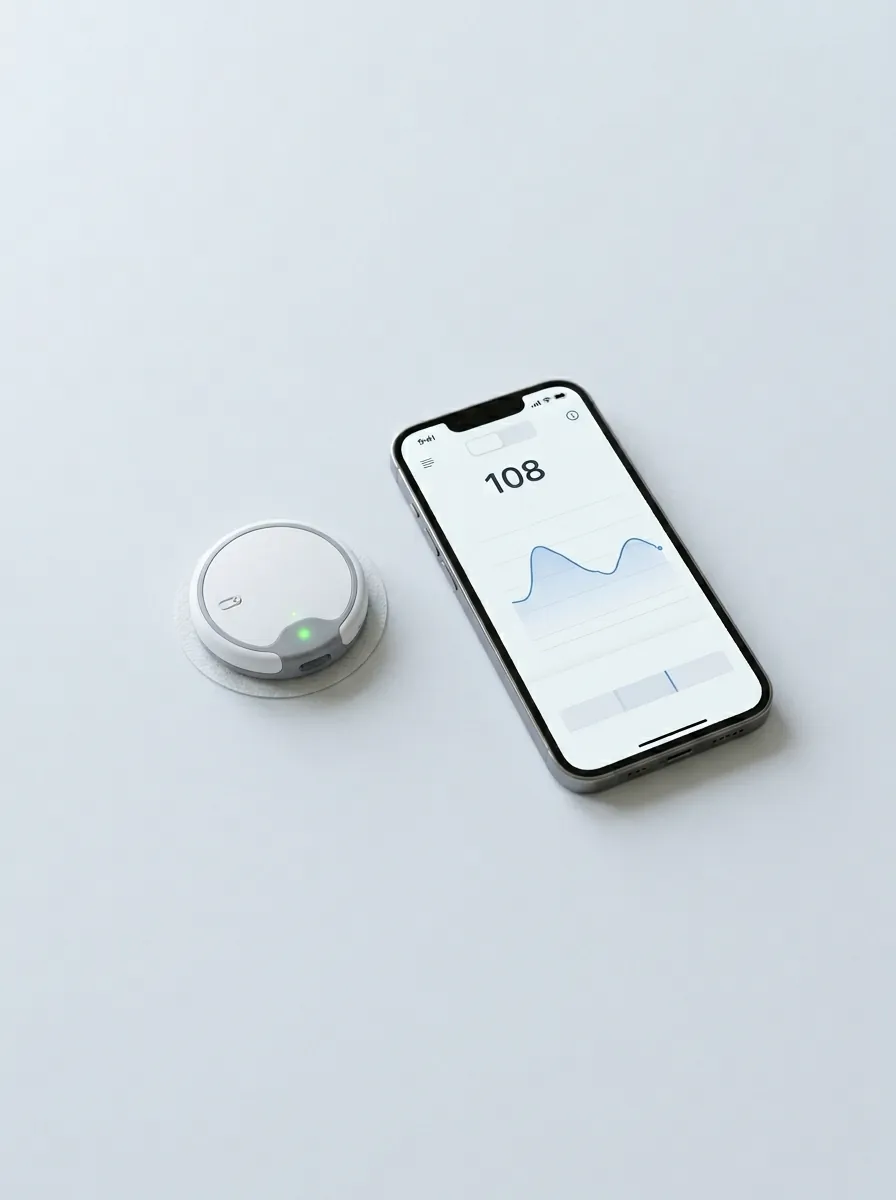

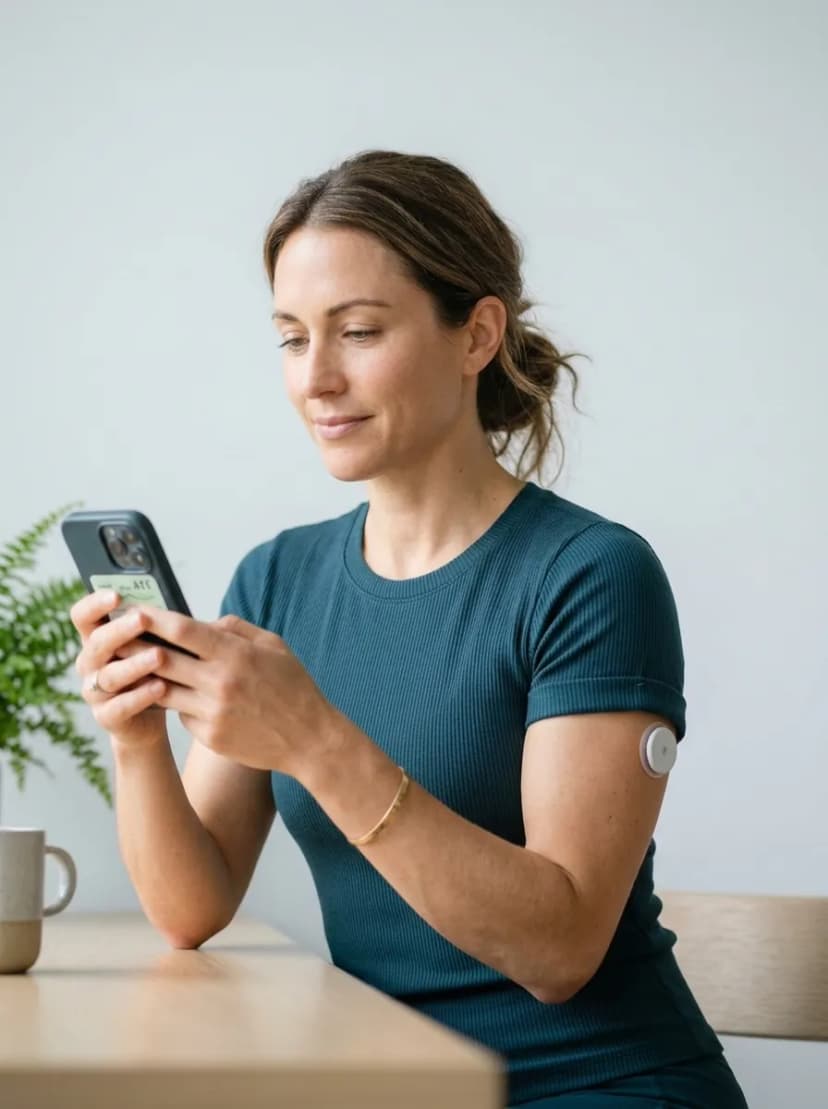
The emergence of over-the-counter CGMs in 2024— the Dexcom Stelo ($49-99/month) and Abbott Lingo ($49/month) — created a product category that bypasses the prescription system entirely. For the first time, any adult in the United States can purchase a continuous glucose monitor without a doctor's visit, insurance claim, or diabetes diagnosis. This shift is driving the fastest-growing segment of the CGM market: wellness users who want glucose data for weight management, athletic performance, and metabolic optimization. Three examples illustrate the breadth of this new user base: a marathon runner using a Dexcom Stelo to identify optimal carbohydrate timing during 20-mile training runs, a prediabetic patient using an Abbott Lingo to measure how a low-glycemic diet affects post-meal glucose spikes, and a GLP-1 medication user pairing a Levels subscription with a FreeStyle Libre 3 to track whether semaglutide is reducing fasting glucose from 118 mg/dL toward the normal range below 100 mg/dL.
A 2025 Morgan Stanley research note projected that the non-diabetic CGM user base will reach 3.5 million Americans by 2028, up from approximately 500,000 in 2024. The prescription CGM market remains significantly larger — an estimated 4.2 million Americans with diabetes wore a CGM in 2025 — but the growth rate in the wellness segment (42% year-over-year) far exceeds the medical segment (18% year-over-year). Insurance coverage continues to expand as well: as of January 2026, 92% of commercial health plans cover at least one CGM brand for type 1 diabetes, and 78% cover CGMs for insulin-using type 2 diabetes patients (IQVIA, 2026).
How We Evaluate Continuous Glucose Monitors
Every CGM on this site is evaluated across 11 standardized specifications: MARD accuracy (%), sensor wear time (days), warmup time (minutes), calibration requirement (yes/no), real-time alert capability, insulin pump compatibility, prescription requirement, monthly cost with insurance, monthly cost without insurance, Medicare approval status, and overall GlucoseIntel rating (1-5 scale). This evaluation framework ensures that every product comparison on the site uses identical criteria, eliminating the subjective language and inconsistent benchmarks found on most CGM review sites.
MARD (Mean Absolute Relative Difference) is the primary accuracy metric for continuous glucose monitors. It measures the average percentage difference between CGM readings and simultaneous blood glucose laboratory values. Lower MARD means higher accuracy — the best CGMs in 2026 achieve 7.9% MARD (FreeStyle Libre 3 Plus), while the range across all devices spans 8.1% to 14.2%. A 2023 Diabetes Technology & Therapeutics meta-analysis of 47 clinical trials confirmed that MARD below 10% is considered clinically accurate for insulin dosing decisions. In practical terms, a 7.9% MARD on a true blood glucose of 120 mg/dL means the CGM reports a value between 110 and 130 mg/dL — accurate enough for both medical treatment and dietary pattern analysis.

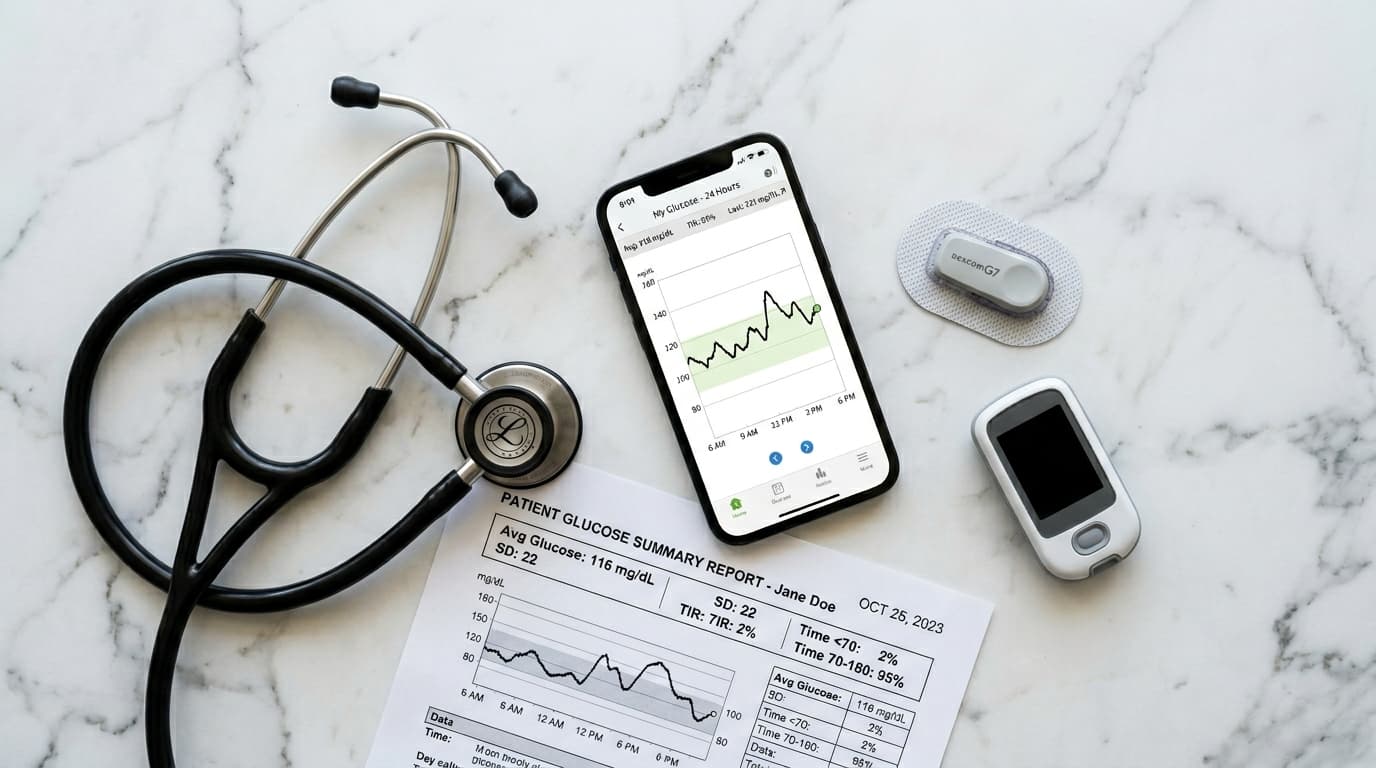
Pricing data reflects 2026 retail and insurance rates collected directly from manufacturer websites, pharmacy benefit managers, and Medicare DME supplier catalogs. We update pricing quarterly and note the date of last verification on each product page. Insurance copay ranges represent typical commercial plan rates — actual costs vary by plan, formulary tier, and whether CGMs are processed through pharmacy or durable medical equipment (DME) benefits. Three pricing examples: a Dexcom G7 costs $75/month with commercial insurance (average copay), $299/month without insurance (cash price at major pharmacies), and $0-35/month with Medicare Part B (after meeting the annual deductible). These 3 tiers — insured, uninsured, and Medicare — are reported for every prescription CGM on this site.
Sensor wear time directly determines annual cost and user convenience. A device with 7-day wear time (Medtronic Guardian 4) requires 52 sensor changes per year, while a 15-day sensor (Dexcom G7 15-Day, FreeStyle Libre 3) requires only 24 changes, and the 365-day Eversense 365 requires a single in-office insertion annually. Each sensor change introduces a warmup period — ranging from 30 minutes (Abbott Lingo) to 24 hours (Eversense E3) — during which no glucose data is available. For insulin-dependent users, these data gaps require backup fingerstick testing.
Who Uses a CGM? From Insulin-Dependent Diabetes to Weekend Athletes
Continuous glucose monitors were originally developed for type 1 diabetes patients — individuals whose pancreas produces little or no insulin — who need real-time glucose data to dose insulin safely and avoid dangerous hypoglycemia (blood glucose below 54 mg/dL). The first consumer CGM (Medtronic CGMS, 1999) required physician office downloads and produced data only retrospectively, making it impractical for daily glucose management. By 2026, the CGM user base has expanded to include 6 distinct populations: type 1 diabetes patients (1.6 million Americans), type 2 diabetes patients on insulin (approximately 7.4 million), non-insulin type 2 diabetes patients (the fastest-growing prescription segment at 29.9 million), prediabetes patients using OTC devices for early intervention, pregnant women monitoring gestational glucose, and wellness users including endurance athletes and biohackers quantifying metabolic flexibility.
The clinical evidence supports this expansion across every population. A 2024 Lancet study of 1,441 participants demonstrated that CGM use in non-insulin type 2 diabetes patients reduced A1C by 0.5% over 8 months compared to standard blood glucose monitoring — a clinically meaningful reduction that lowers the risk of diabetic complications by an estimated 15-20% over 10 years. For wellness users without diabetes, a 2023 Cell Metabolism study of 212 participants found that continuous glucose data led to measurable dietary improvements within 14 days of initial CGM use, with participants reducing post-meal glucose spikes by an average of 18 mg/dL through food substitution alone. A third example: a 2024 Journal of Sports Science study showed that endurance athletes wearing CGMs during training made 23% fewer bonking episodes (performance-ending glycogen depletion) when using real-time glucose alerts set at 80 mg/dL during long runs and cycling sessions.
The cost barrier to CGM adoption has dropped significantly since 2020. Four years ago, the cheapest CGM option cost $150/month without insurance and required a prescription. In 2026, the Abbott Lingo and Dexcom Stelo are available over the counter at $49/month — less than many gym memberships and roughly the cost of 2 restaurant meals. Medicare now covers CGMs for all insulin-using diabetes patients with zero prior authorization requirement, and 14 state Medicaid programs cover CGMs for non-insulin type 2 diabetes as of January 2026. The combination of lower prices, broader insurance coverage, and OTC availability is accelerating adoption at a rate that exceeds industry forecasts from just 2 years ago.
CGM Intelligence Hub

Best CGMs in 2026
Data-driven rankings of every continuous glucose monitor by accuracy, wear time, cost, and use case.

CGM Brands Compared
Every CGM manufacturer and product — Dexcom, Abbott, Medtronic, Senseonics — with full specifications.

CGM Services Compared
Nutrisense vs Levels vs Signos vs Veri — subscription pricing, features, and dietitian coaching compared.

CGM Cost Guide 2026
How much a continuous glucose monitor costs with insurance, without insurance, Medicare, and OTC pricing.

How CGMs Work
Sensor technology, MARD accuracy, calibration, data reports, and everything about CGM technology explained.

Understanding Blood Sugar
Normal ranges, fasting and postprandial targets, A1C correlation, and what your glucose numbers actually mean.

How Food Affects Blood Sugar
Glycemic index, best and worst foods, meal timing, fiber, protein — the complete nutrition-glucose guide.
Top-Rated Continuous Glucose Monitors
Every CGM ranked by accuracy (MARD), wear time, and user rating. Updated April 2026.
| Product | MARD | Wear Time | Type | Rx? | With Insurance | Without Insurance | Medicare | Rating |
|---|---|---|---|---|---|---|---|---|
| Dexcom G7 | 8.2% | 10 days | Real time CGM | Yes | $20–$40 per month | $250–$350 per month | ✓ | 4.8 |
| Dexcom G7 15-Day | 8.2% | 15 days | Real time CGM | Yes | $20–$40 per month | $250–$350 per month | ✓ | 4.7 |
| FreeStyle Libre 3 Plus | 7.9% | 15 days | Real time CGM | Yes | $15–$30 per month | $75–$150 per month | ✓ | 4.7 |
| Eversense 365 | 8.5% | 365 days | Real time CGM | Yes | $150–$350 per month (amortized including implant procedure) | $2,000–$5,000 per annual sensor cycle | — | 4.6 |
| Eversense E3 | 8.5% | 180 days | Real time CGM | Yes | $200–$400 per month (amortized including implant procedure) | $1,000–$3,000 per 6-month sensor cycle | — | 4.5 |
| FreeStyle Libre 2 | 9.2% | 14 days | Flash glucose monitoring (scan based with optional alarms) | Yes | $15–$30 per month | $75–$150 per month | ✓ | 4.4 |
CGM Subscription Services
5 services compared — from $149/month to $399/month. Includes app, coaching, and sensor.
Nutrisense
Nutrisense pairs Abbott Libre CGM sensors with 1-on-1 registered dietitian coaching and a comprehensive mobile app. It offers the most complete guided CGM experience, combining continuous glucose data with personalized nutrition advice, meal logging, and AI-driven glucose scoring. Plans range from month-to-month flexibility to annual commitments that reduce the per-month cost significantly.
Levels Health
Levels Health is an AI-driven CGM platform built for biohackers, athletes, and health-conscious individuals who want deep metabolic data without the need for a dietitian. Its standout feature is the proprietary metabolic score that quantifies how meals, exercise, and sleep affect glucose stability. The app delivers best-in-class data visualization and has cultivated a large, engaged community around metabolic health optimization.
Signos
Signos is the first CGM-based weight management platform to receive FDA clearance, making it the most clinically validated option for people whose primary goal is losing weight. It uses Dexcom sensors and pairs real-time glucose data with an AI coach that recommends optimal exercise timing and meal choices specifically to maximize fat burn and minimize glucose spikes. The platform is narrowly focused on weight loss, which is both its strength and limitation.
Navigating This Site
GlucoseIntel is organized into 7 core content hubs designed to answer every glucose monitoring question from initial research through purchase decision. The Reviews section ranks all 14 devices by accuracy, cost, and features, with dedicated pages for 8 use cases including type 1 diabetes, weight loss, and Medicare eligibility. The Brands section profiles each manufacturer — Dexcom, Abbott, Medtronic, Senseonics, and emerging companies — with complete product lineups and company backgrounds. The Cost section breaks down pricing across 3 payment tiers (insured, uninsured, Medicare) for every device. The Services section compares the 5 major CGM subscription platforms that bundle sensors with app-based coaching. The How It Works section explains sensor technology, data interpretation, and clinical evidence. The Blood Sugar Guide covers normal ranges, fasting targets, postprandial responses, and what your glucose numbers mean — the foundational knowledge every CGM user needs. The Nutrition & Glucose section explains how 80+ foods affect blood sugar, with glycemic index rankings, meal timing strategies, and research-backed dietary guidance for stable glucose.
Frequently Asked Questions About CGMs
Get CGM Intel Weekly
New CGM reviews, price drops, FDA approvals, and glucose monitoring research — delivered every week.